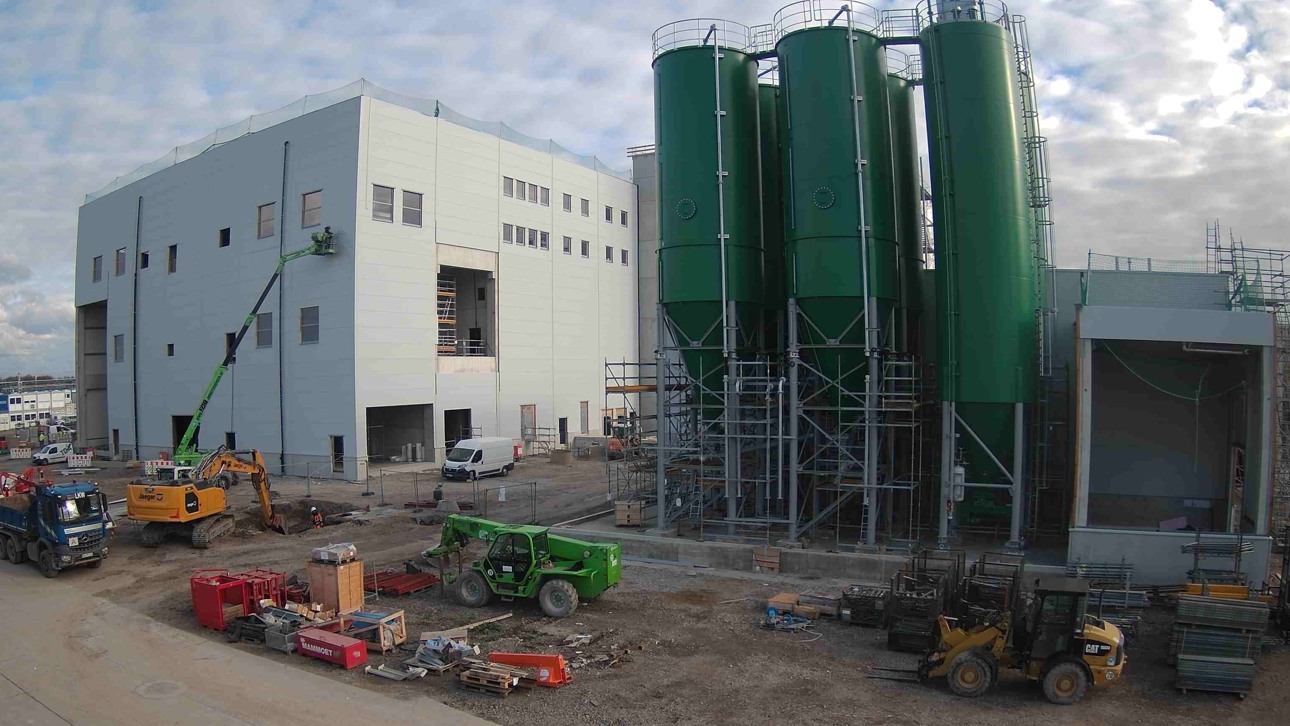
EasyMining´s phosphorus recovery plant in Schkopau

Forming a team for the first Ash2Phos plant

Establishing a first-of-its-kind phosphorus recovery facility takes more than innovation. With construction finishing on the Schkopau plant, focus shifts to building the team that will run it.

25 Nov 2026
At Schkopau Chemical Park in Saxony-Anhalt, Germany, phosphorus recovery at industrial scale is about to become a reality, and the people who will operate the facility will soon become part of its story.
 
Applying EasyMining’s Ash2Phos technology, the plant is being built and will be operated by Phosphorgewinnung Schkopau (PGS), a joint venture between EasyMining and the German utility and wastewater treatment company Gelsenwasser. As PGS transitions the project from construction to commissioning, it is preparing to build the operations team that will help shape the facility’s future.
 
Phosphorus is a critical resource used as a nutrient in fertilisers and livestock feed that currently mostly comes from mining, a finite and carbon-footprint-heavy source. Yet there’s a high amount of phosphorus in sewage and wastewater. Ash2Phos turns that waste into a circular supply stream, recovering several resources but primarily phosphorus from sewage sludge ash.
 
“This is something that society needs. What we end up recovering will be a high-quality, high-purity product. It's true recycling, and that's pretty cool,” says Dr Florian Herbst, Plant Manager at PGS.

A team for 24/7 operations

PGS plans to have the plant fully operational in 2027. The facility is set to operate 24/7 to process 30,000 tons of sewage sludge ash each year, from which it will recover a high-purity calcium phosphate (that will be packaged as the fertiliser and feed phosphate product RevoCaP) as well as iron chloride and sodium aluminate.

To make that possible, PGS will need a team of about 30 to handle plant operations on every level, from the execution of the main process and routine maintenance to quality assurance and day-to-day support.

Most positions will, according to Herbst, suit people with a chemicals-industry background (whether through training, apprenticeship, or on-the-job experience) who are comfortable with 24/7 shift work. Additional roles needed to keep the plant running will include instrumentation and control technicians, while laboratory and administrative personnel will also round out the team.

“The most important thing for us is to find people with the right mindset”  

Dr Florian Herbst, Plant Manager at PGS

Looking for the right mindset

“The most important thing for us is to find people with the right mindset,” says Herbst.

Because developing a chemical plant from scratch is never straightforward. It has constant ups and downs, and even the occasional major setback.

“So you really need people who are able to deal with those challenges and find the strength to pick themselves up and give it another shot the next day and maybe the day after and the day after,” Herbst explains.

PGS also plans to help the people it recruits prepare for the unique challenges they’ll face through an experiential onboarding process. After initial training, team members will begin working at the plant throughout its commissioning, the startup period when the facility first begins operating.

“As soon as the people are needed during the commissioning, they should be on site. They will be part of the start-up and really learn hands-on how the plant should be run while we bring it online,” says Herbst.

“It's not only a job. It's also a journey.”

Building and starting up a chemical plant, especially one that’s the first of its kind, comes with endless challenges. A process like Ash2Phos doesn’t have a pre-written playbook for scaling up from pilot testing to industrial facility. Not all real-world variables can be planned for, creating a certain level of unpredictability. 

“There are always nitty-gritty details which are different when you scale something up. Things will pop up which you have never observed before, especially as you run the plant for weeks and months, and you’ll have to find a solution,” Herbst explains.

That’s why it’s so important for PGS to bring together the right people. Having resilient colleagues who can adapt and troubleshoot both the expected and unexpected is vital to the plant’s long-term operations but also critical for potential wider impact.

“This is the beginning of something much bigger. Several more plants are planned for the future. And everyone who joins us now will be part of that vision and help to shape it right from the start,” says Herbst.

“It's not only a job. It's also a journey,” he adds.
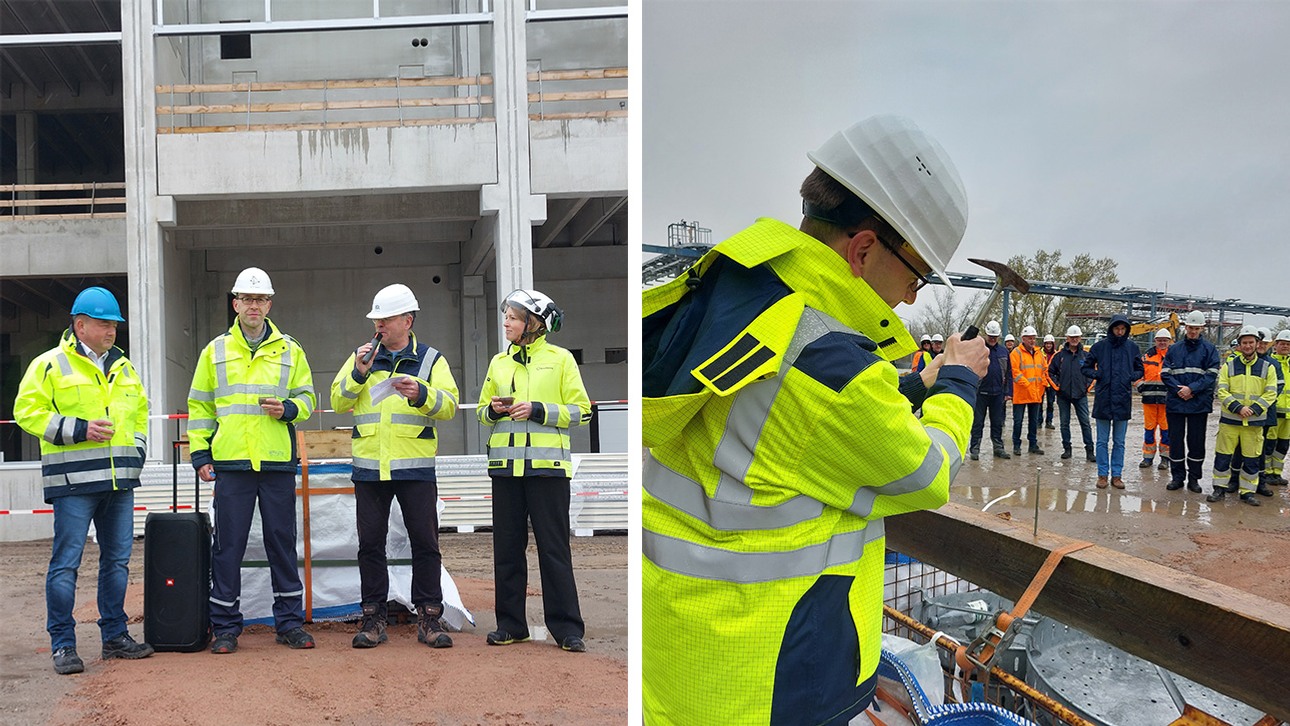
Schopau plant roof top ceremony
(Left) Members of the PGS management team: Thomas Block, Florian Herbst, Steffen Kutscher and Anna Lundbom. (Right) Florian Herbst takes part in the topping-out ceremony, marking an important milestone in the construction of the Schkopau plant.
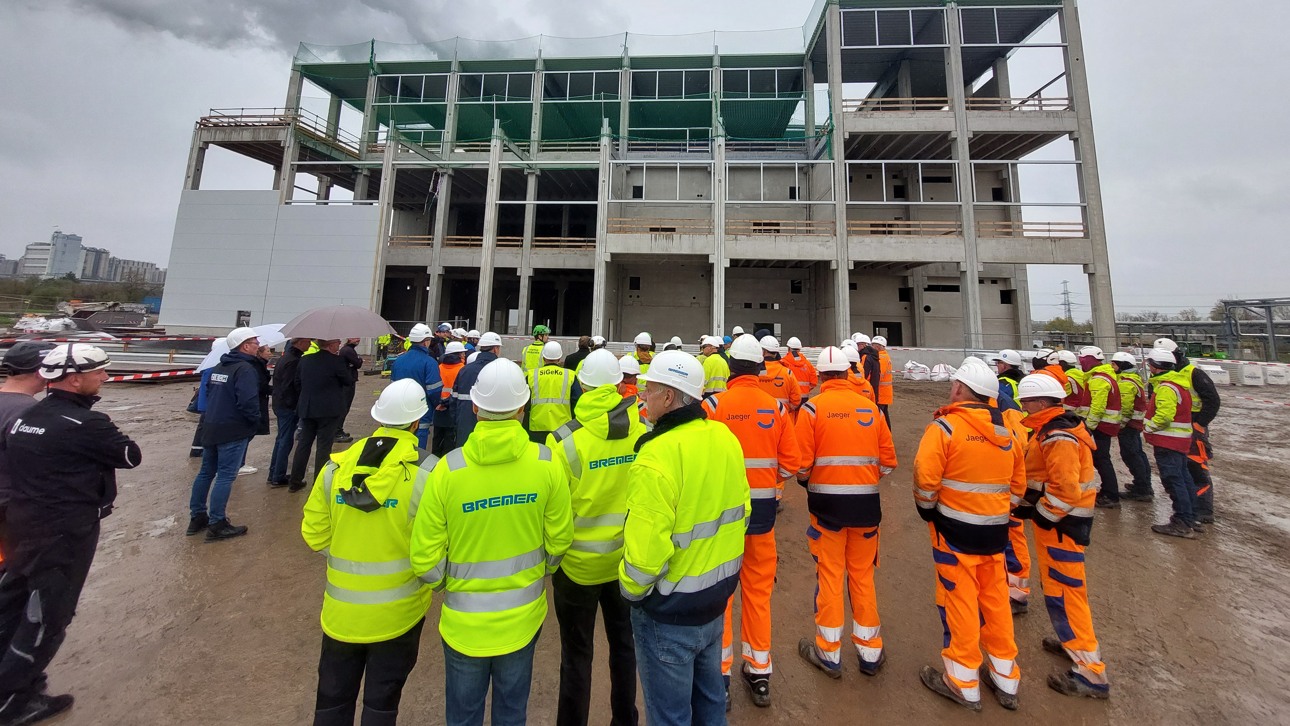
Roof top ceremony Schkopau
The Schkopau plant under construction in April 2026.
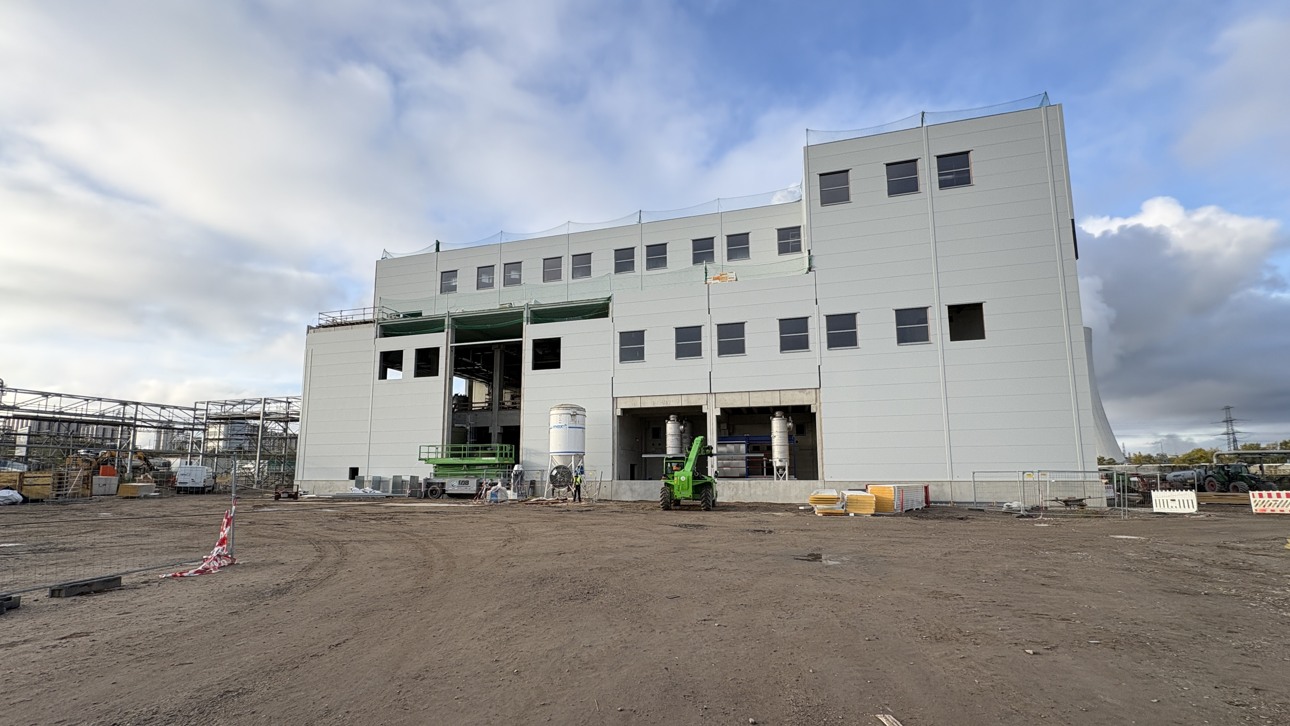
Schkopau plant October 2026The Schkopau plant in October 2026 after the roof was completed and before interior construction began.


Related articles