Sustainable potassium
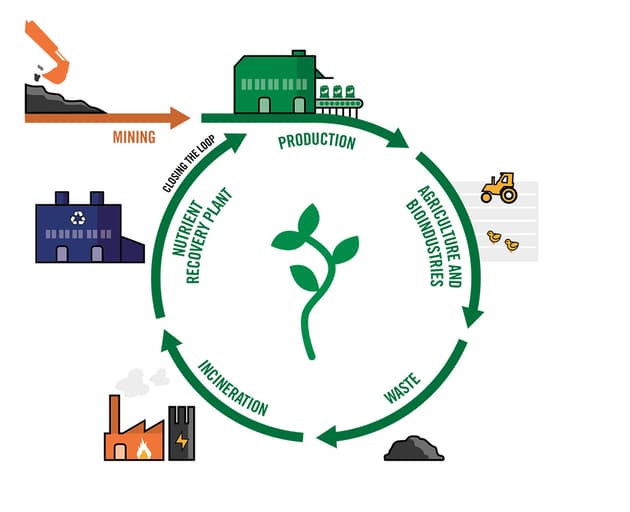
Reclaiming resources from secondary sources is crucial for a circular economy, especially for vital elements such as potassium which is essential for life and growth. EU nations heavily depend on potassium imports from a few countries, which is why we need sustainable resource management and exploring alternative supply chains.
Since most mined potassium is used in fertilisers (93% in 2005), biomaterials often contain significant potassium amounts that can be reclaimed chemically. Ash from waste incineration and biomass can contain even higher potassium levels than virgin deposits.
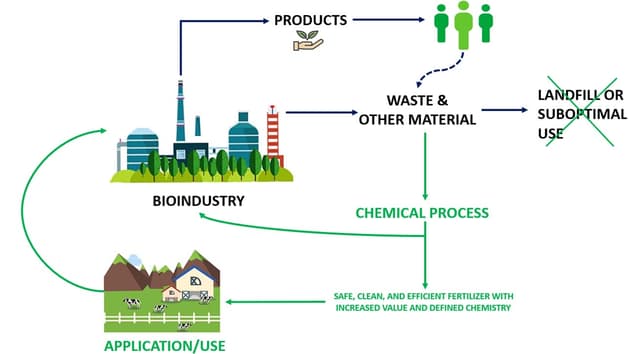
Several streams, due to their high potassium content, are attractive secondary sources to produce fertilisers such as potassium sulfate. Currently, many of these streams are either used as low-quality fertilisers or discarded if contaminated with heavy metals, which can harm soil quality.
EasyMining is working closely with stakeholders across the value chain to transform biomaterials into pure, safe and efficient potassium fertilisers. Examples of the work are the projects below.