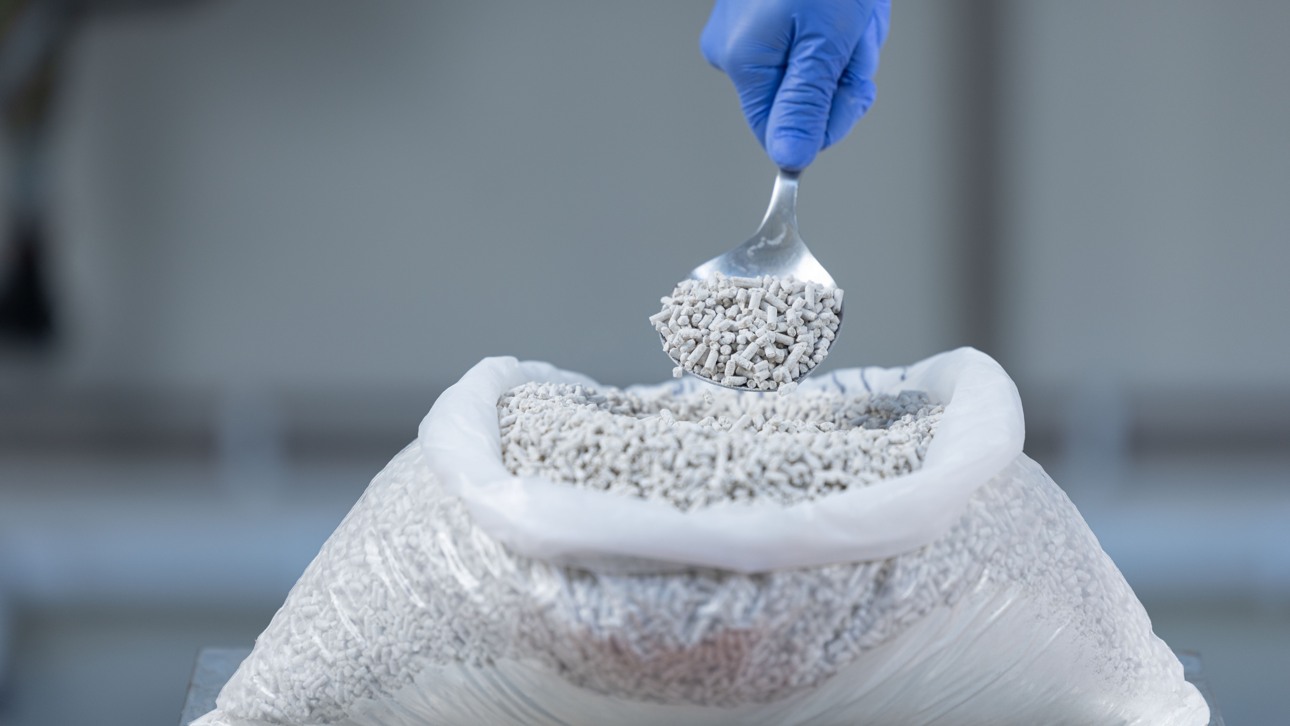
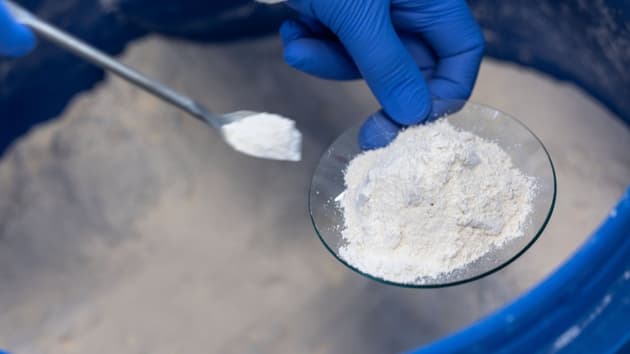
As Europe seeks to strengthen its supply of critical raw materials, recovered phosphorus is attracting growing interest. A Danish study now shows that RevoCaP, produced from sewage sludge ash using the Ash2Phos process, combines high purity with strong contaminant control, highlighting its potential as a safe and sustainable phosphorus source for the feed industry.
Phosphorus (P) is an essential nutrient for agriculture, animal nutrition, and food production. It has been classified by the European Union as a Critical Raw Material due to Europe's dependence on imported phosphate rock and the limited availability of global reserves. The feed industry depends on reliable, high-quality phosphate sources, while municipal sewage sludge represents an important secondary phosphorus resource. However, sludge contains contaminants such as heavy metals, pharmaceuticals, persistent organic pollutants (POPs), pathogens, and emerging contaminants that limit its direct use and require robust treatment before recovered phosphorus can be considered for high-value applications such as feed phosphates.
EasyMining's
Ash2Phos process is an advanced phosphorus recovery technology that produces high-purity calcium phosphate (RevoCaP), via chemical extraction.
Recycled calcium phosphate (RevoCaP).
– RevoCaP is being developed as a recycled calcium phosphate with potential relevance for the feed phosphate market, where safety, chemical purity, consistency, and regulatory confidence are essential. We collaborated with the Danish Centre for Food and Agriculture (DCA) at Aarhus University, which evaluated the likelihood that undesirable substances remain in RevoCaP, states Sara Stiernström, Manager Product Development at EasyMining.
Multiple purification barriers ensure product safety
The assessment followed the contaminant pathway from wastewater treatment to sludge, sewage sludge ash, and the final recovered phosphorus product. Municipal wastewater introduces contaminants from domestic, industrial, and urban sources, including heavy metals, pharmaceuticals, pesticides, PFAS, and other persistent organic pollutants. During wastewater treatment, these substances accumulate in sewage sludge together with phosphorus.
The first purification barrier is mono-incineration (>850°C), which destroys pathogens and the vast majority of organic contaminants, including pharmaceuticals, pesticides, and most PFAS. Heavy metals cannot be destroyed but become concentrated in the mineral ash, facilitating their subsequent removal.
The second purification barrier is the Ash2Phos chemical extraction process. Hydrochloric acid dissolves phosphorus and metals from the ash, after which controlled precipitation and pH adjustment selectively remove heavy metals. The purified phosphorus is finally recovered as calcium phosphate. Analytical data reviewed by the DCA indicate that contaminant concentrations in the recovered product will comply with current European contaminant limits.