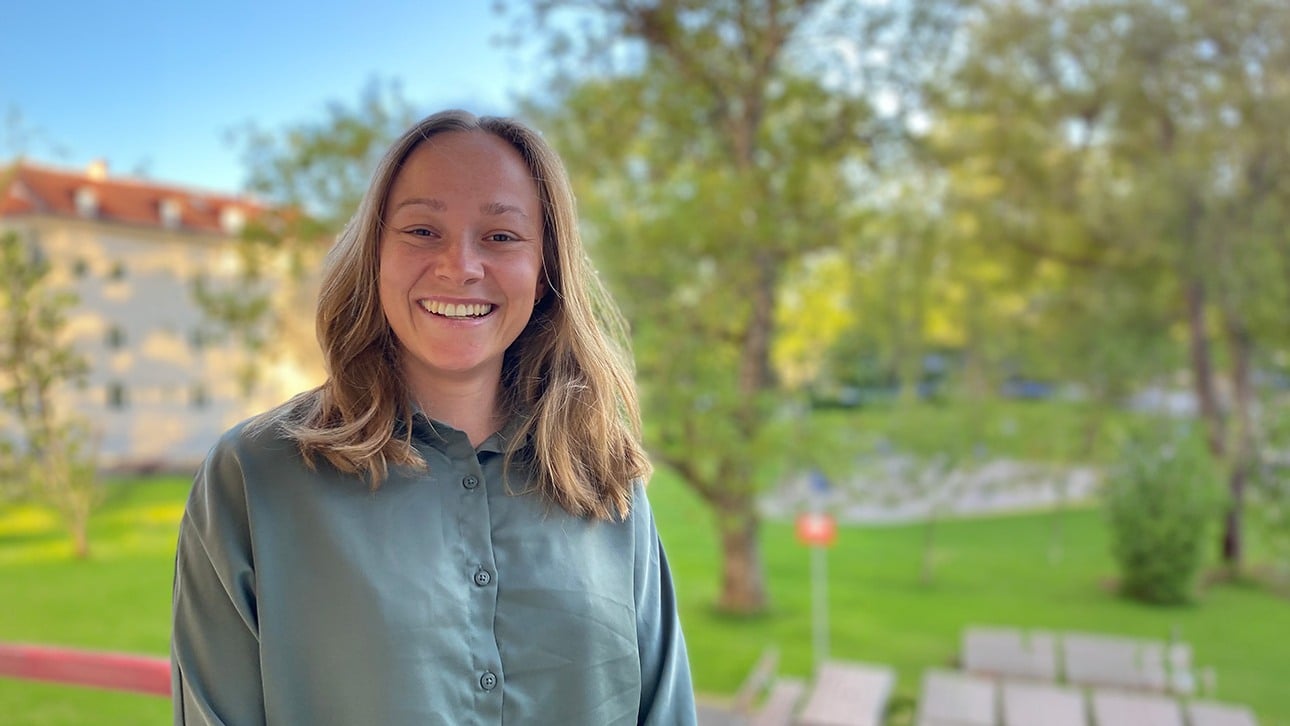
Isabella Lyngsjö

How EasyMining process engineers help build a chemical plant

Process engineering team member Isabella Lyngsö knows firsthand how lab concepts become operational facilities, like the world's first Ash2Phos plant.

28 May 2026

Most people don’t understand what it takes to turn a process for reclaiming nutrients into a full-scale plant. But Isabella Lyngsö does. 

She joined EasyMining as a process engineer just as the company was ramping up its development of nutrient recovery facilities.

Back then in 2022, Lyngsö was fresh out of grad school in Gothenburg. With a master’s degree in innovative and sustainable chemical engineering, she was drawn to the opportunity of applying theoretical elements, like process simulations and equipment choices, through real-world implementation to create circular material flows.

Now, still based in Gothenburg, she’s a seasoned team member who’s part of the effort that’s turning Ash2Phos, the EasyMining process for recovering phosphorus from incinerated sewage sludge, into a chemical plant in Germany. There’s never been a facility like it at such a scale, and process engineers are centrally involved throughout all phases of its commissioning.

– Since this is the first plant that we're building, the future that we have in front of us is super new to all of us, says Lyngsö. It's very interesting how the role changes because the further along you get, the more you really have to live with the previous decisions that have been made and make the best out of it.

Planning from the earliest stage

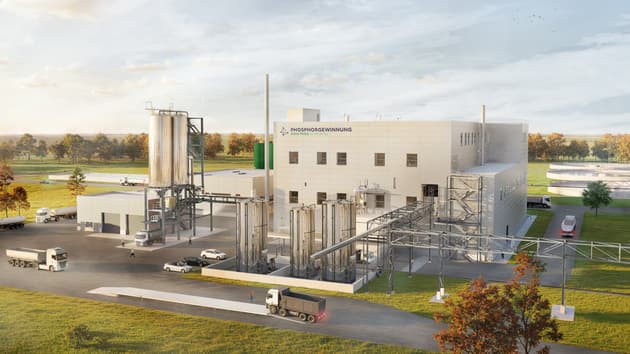
Construction on what will be the world's first Ash2Phos plant began in 2025. Located in the German municipality of Schkopau, the facility is set to be operational by 2027 and will provide a domestically-sourced calcium phosphate, a vital nutrient in fertilisers and livestock feed.

The entire EasyMining organisation is currently focused on making the Schkopau plant a reality. But the process engineering team began working on the project long beforehand.

– In the beginning, it's a lot about translating what the R&D team says works in the lab and then actually turning it into something that will work on a larger scale and finding suitable equipment for that, says Lyngsö.

Once equipment selection for a plant has been finalised, the planning gets increasingly detailed. Every potential connection and operation must be considered, examining how each could affect the chemical process and overall safety.

“Engineering really builds a plant through continuous refinement and with a lot of collaboration”

Isabella Lyngsö, Process Engineer  

According to Lyngsö, it’s crucial to map out all possibilities early on in a project. The further along building something like the Ash2Phos facility in Schkopau progresses, the fewer options there are to address unforeseen issues, and any design changes become more costly. So it’s important to know the most effective alternatives to choose from during each stage of construction. 

There are constant discussions across different engineering disciplines on things like material choices, layouts, piping, instrumentation, control strategy, and more. Process engineers have to ensure that no decision affects any critical parameters. If, for example, the piping system needs a valve that wasn’t originally planned for, it may alter the flow and pressure of the chemicals inside.

– Engineering really builds a plant through continuous refinement and with a lot of collaboration going back and forth, explains Lyngsö. Everyone needs to bring their expertise and share their perspective, and it will result in a well-working process plant.

An openness to new ideas and solutions

What makes the expertise of EasyMining’s process engineering team so unique is the deep level of knowledge its members have gained through practical experience. 

– We’ve learned a lot from the different development work, says Lyngsö. Getting hands-on experience with the different process steps, that helps a lot later when you're looking for suitable equipment and designing for full-scale.

Lyngsö credits her own on-the-job experience for the insight she’s gained on operating a process plant where control systems can’t be as precise as in a lab.

– It's not possible to control the flow rate by the gram or to have the exact pH that you would in a mixing beaker, she explains. You really have to find ways to simplify and ensure that what's happening is what you want.

And there’s no experience like working on the first-ever Ash2Phos plant. It’s daunting but also freeing.       

– We're not stuck in any “this is how it's always been built” mentality. Instead, it's a culture open to new ideas and solutions, says Lyngsö. There is a really exciting phase in front of us, preparing for the commissioning, the plant starting up, and seeing some actual results of the work we have done.

Related articles